Best Time to Install Solar Panels in Bangladesh
Seasonal guide to solar installation. Why spring installations maximize first-year returns. Weather patterns and optimal timing.
Seasonal Solar Performance in Bangladesh
Bangladesh experiences distinct seasons that significantly impact solar energy production. Understanding these patterns helps you choose the optimal installation timing to maximize your first-year returns and avoid weather-related delays.
Peak solar irradiation occurs from October through March (dry season), with daily sunshine averaging 5-6 hours. The monsoon season (June-September) sees reduced output of 3-4 hours equivalent, while the pre-monsoon period (April-May) offers excellent production despite higher temperatures.
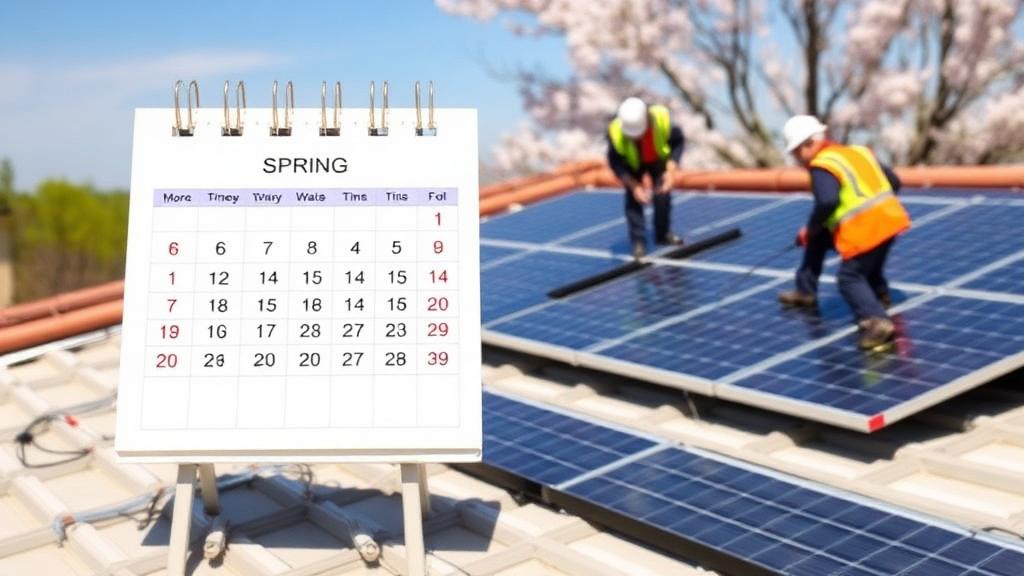
Why Spring (February-April) Is Ideal
Installing your solar system between February and April offers several compelling advantages:
- Immediate high output: Your system begins generating maximum electricity right away during peak sunshine months
- Dry weather for installation: No rain delays mean faster project completion (typically 1-2 days for residential)
- Beat the summer rush: Installer availability is better in early spring before the summer demand surge
- Pre-monsoon preparation: Your system is tested and optimized before the challenging monsoon months
- Maximum first-year ROI: Starting in spring means capturing the best 4-5 months of production before monsoon, versus starting in monsoon and losing 3-4 months of peak output
Monthly Solar Production Estimates (5kW System)
Here's what a typical 5kW system produces throughout the year in Dhaka:
| Month | Daily Production (kWh) | Monthly Total (kWh) |
|---|---|---|
| January | 21 | 651 |
| February | 22 | 616 |
| March | 24 | 744 |
| April | 23 | 690 |
| May | 20 | 620 |
| June | 16 | 480 |
| July | 14 | 434 |
| August | 15 | 465 |
| September | 17 | 510 |
| October | 20 | 620 |
| November | 21 | 630 |
| December | 20 | 620 |
Avoiding Installation Pitfalls by Season
Each season presents unique considerations. During monsoon (June-September), roof work is risky and unreliable — avoid scheduling installations during this period unless absolutely necessary. Summer heat (April-June) makes rooftop work challenging for installers, potentially rushing the job. Winter (December-January) is good for installation but morning fog in northern regions can delay start times. The sweet spot of February-March offers comfortable working temperatures, dry conditions, and motivated installation crews.
Planning Your Installation Timeline
For the best experience, start planning 4-6 weeks before your desired installation date. This allows time for site survey, system design, equipment procurement, DISCO application (if net metering), and scheduling. If you're planning a spring installation, begin the process in January to ensure everything is ready.
Book Your Spring Installation Now
Our spring installation slots fill up quickly. Contact us today to reserve your installation date and lock in current pricing before the seasonal rush.
Get a Free Site Survey
Every roof is different. Tell us about your place and we'll send an itemized, no-obligation quotation.