Monocrystalline vs Polycrystalline Solar Panels
Technical comparison of solar panel technologies. Efficiency, cost, durability, and best choice for Bangladesh climate conditions.
Understanding Panel Technologies
The two dominant solar panel technologies available in Bangladesh are monocrystalline and polycrystalline (also called multicrystalline). Both use silicon-based photovoltaic cells but differ significantly in manufacturing process, efficiency, appearance, cost, and performance characteristics. Understanding these differences is crucial for making the right choice for your specific installation.
Efficiency Comparison
Efficiency — how much sunlight a panel converts to electricity — is the most critical performance metric:
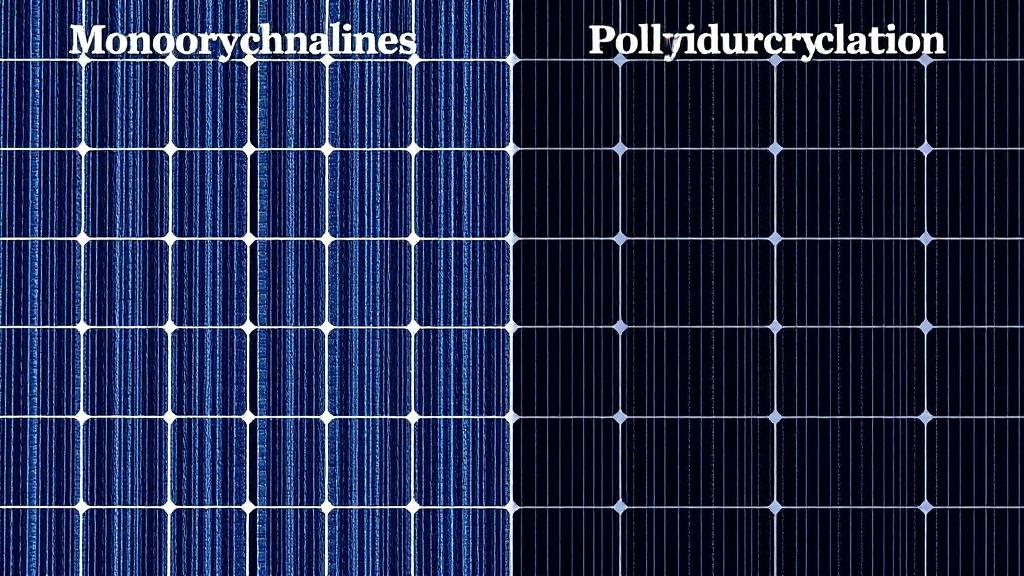
| Feature | Monocrystalline | Polycrystalline |
|---|---|---|
| Efficiency range | 20-22% | 15-17% |
| Temperature coefficient | -0.35%/°C | -0.45%/°C |
| Low-light performance | Better | Moderate |
| Space required (5kW) | ~280 sq ft | ~350 sq ft |
| Appearance | Uniform black | Blue, speckled |
| Lifespan | 30+ years | 25-30 years |
| Price (per watt) | BDT 55-65 | BDT 40-50 |
Performance in Bangladesh's Climate
Bangladesh's tropical climate, with average temperatures of 28-35°C and high humidity, significantly impacts panel performance. This is where monocrystalline panels show a clear advantage.
The temperature coefficient difference is critical: monocrystalline panels lose about 0.35% efficiency per degree above 25°C, while polycrystalline panels lose 0.45%. On a typical 40°C summer day in Dhaka, this means monocrystalline panels retain 94.75% efficiency while polycrystalline retain 93.25% — a meaningful difference over 25 years of operation.
Monocrystalline panels also perform significantly better during monsoon season when diffused light conditions prevail. Their superior low-light response means they generate 10-15% more electricity on cloudy days compared to polycrystalline equivalents.
Cost-Benefit Analysis for Bangladesh
While monocrystalline panels cost 20-30% more upfront, the higher efficiency means you need fewer panels to achieve the same output — reducing mounting hardware, wiring, and installation labor costs. For space-constrained rooftops common in Dhaka and other cities, monocrystalline panels are often the only practical choice.
Over a 25-year period, monocrystalline panels generate approximately 15-20% more electricity per panel, making the total cost per kWh generated actually lower than polycrystalline despite the higher upfront price.
Our Recommendation
For most installations in Bangladesh, we recommend monocrystalline panels due to their superior heat tolerance, better monsoon performance, and higher energy density per square foot. Polycrystalline panels remain a valid budget option for large rooftops (factories, warehouses) where space is not a constraint and upfront cost is the primary concern.
Compare Panels for Your Roof
Our AI Solar Analyzer can model both panel types on your specific roof, accounting for local weather patterns, shading, and orientation. Get a customized comparison with our AI Tools.
Get a Free Site Survey
Every roof is different. Tell us about your place and we'll send an itemized, no-obligation quotation.