Solar Panel Efficiency in Bangladesh Hot Climate
How solar panels perform in summer heat. Temperature coefficients, efficiency ratings, and choosing heat-resistant panels.
How Heat Affects Solar Panels
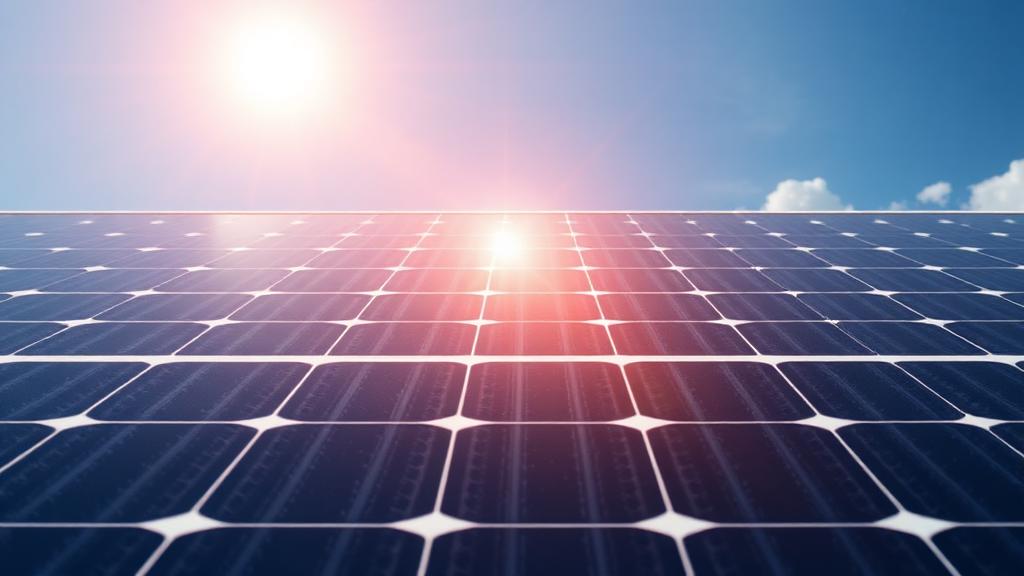
A common misconception is that solar panels produce more electricity in hotter weather because there's more sunshine. In reality, while more sunshine does mean more energy, excessive heat actually reduces panel efficiency. Every solar panel has a temperature coefficient — the rate at which efficiency drops for each degree above the standard test condition of 25°C.
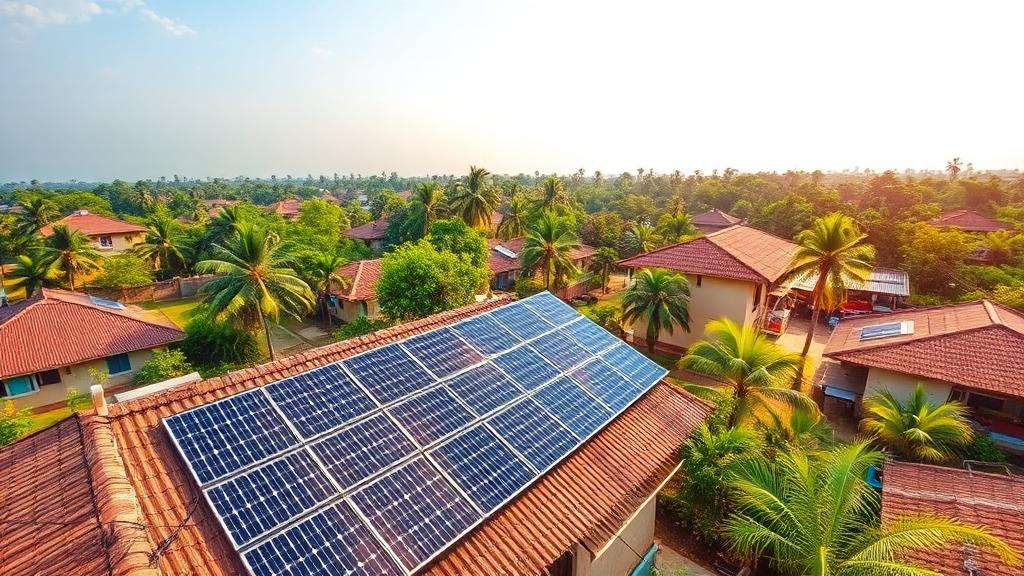
In Bangladesh, where summer temperatures regularly exceed 35-40°C and rooftop temperatures can reach 50-60°C, understanding and mitigating heat effects is critical for system performance.
Temperature Impact by Panel Type
Different panel technologies respond differently to heat:
| Panel Type | Temp Coefficient | Output at 45°C | Output at 55°C |
|---|---|---|---|
| Standard Mono PERC | -0.35%/°C | 93% | 89.5% |
| HJT (Heterojunction) | -0.26%/°C | 94.8% | 92.2% |
| N-type TOPCon | -0.30%/°C | 94% | 91% |
| Polycrystalline | -0.45%/°C | 91% | 86.5% |
| Thin Film (CdTe) | -0.25%/°C | 95% | 92.5% |
Heat Mitigation Strategies
Several practical strategies can reduce heat-related efficiency losses on Bangladesh rooftops:
- Elevated mounting: Leave 6-8 inches of gap between panels and roof surface for air circulation — this alone can reduce panel temperature by 10-15°C
- Light-colored roofing: White or reflective roofing beneath panels reduces ambient heat absorption
- Panel spacing: Adequate gaps between rows allow wind to cool panel undersides
- Water cooling: Some industrial installations use automated sprinkler systems during peak heat — effective but adds maintenance complexity
- Micro-inverter optimization: Per-panel optimization ensures hot panels don't drag down the performance of cooler ones in the same string
- Strategic orientation: Slight west-facing tilt can shift peak production to afternoon hours, avoiding the hottest midday period
Seasonal Performance Patterns
In Bangladesh, the hottest months (April-June) coincide with longer daylight hours, creating a trade-off between more sunshine and higher temperatures. The net effect is that March and October typically produce the highest monthly output — benefiting from good sunshine without extreme heat. Smart system design accounts for this seasonal variation to optimize annual production.
Choosing Heat-Resistant Panels for Bangladesh
For installations in Bangladesh, we recommend panels with temperature coefficients of -0.35%/°C or better. HJT and N-type TOPCon panels offer the best heat tolerance but come at a premium. For budget-conscious installations, standard Mono PERC panels with proper elevated mounting provide excellent value. Avoid polycrystalline panels for rooftop installations where heat build-up is significant.
Get a Heat-Optimized Design
Our engineers use thermal modeling software to design installations that minimize heat losses on your specific roof. Contact us for a free thermal assessment.
Get a Free Site Survey
Every roof is different. Tell us about your place and we'll send an itemized, no-obligation quotation.