Industrial Solar Solutions: Reduce Factory Costs
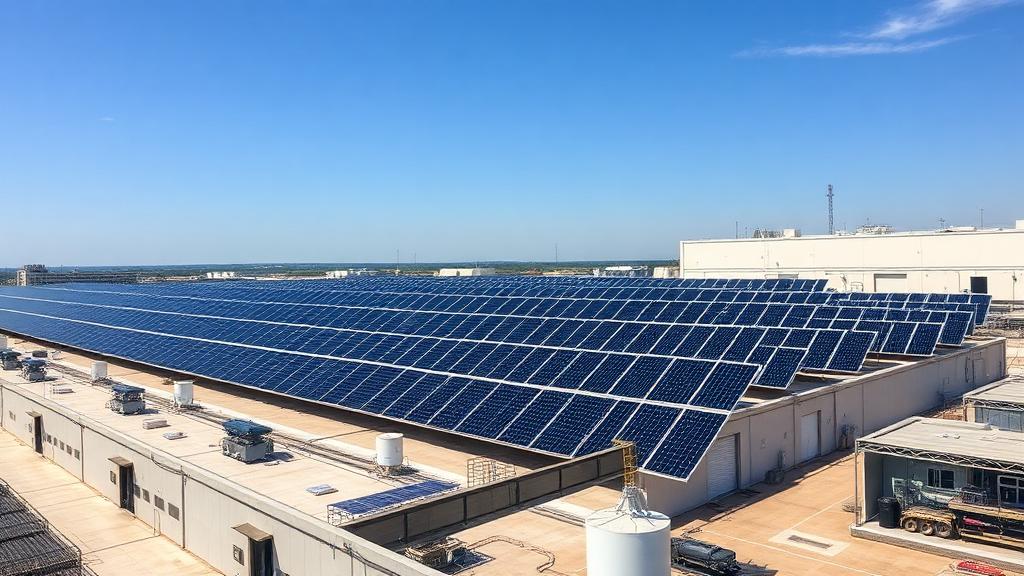
Mega solar installations from 100kW to 1MW for the manufacturing sector: sizing, savings and payback for heavy power consumers.
Why Industries Are Going Solar
Bangladesh's industrial sector consumes over 60% of the country's electricity, with factories paying commercial rates that are 30-50% higher than residential tariffs. For energy-intensive industries — garments, textiles, steel, ceramics, food processing — electricity costs directly impact competitiveness in global markets. Solar installations of 100kW to 1MW offer transformative savings while enhancing environmental credentials increasingly demanded by international buyers.
Industry-Specific Solutions
Different industries have different energy profiles that affect solar system design:
| Industry | Typical System | Annual Savings | Payback |
|---|---|---|---|
| Garment Factory | 200-500 kW | BDT 1.5-4 Cr | 2.5-3.5 years |
| Textile Mill | 300-1 MW | BDT 2-8 Cr | 2-3 years |
| Food Processing | 100-300 kW | BDT 80L-2.5 Cr | 3-4 years |
| Pharmaceuticals | 150-400 kW | BDT 1-3 Cr | 2.5-3.5 years |
| Cold Storage | 50-200 kW | BDT 40L-1.5 Cr | 3-4 years |
| IT/Office Complex | 100-300 kW | BDT 70L-2 Cr | 3-4 years |
Financing for Industrial Solar
Large-scale industrial installations have access to specialized financing mechanisms:
- Power Purchase Agreements (PPA): A third-party investor installs and owns the system — you simply buy the power at a fixed rate lower than grid tariff, with zero upfront cost
- ESCO Model: Energy Service Companies finance, install, and maintain the system in exchange for a share of energy savings
- Commercial bank loans: Dedicated green energy credit lines at 7-9% interest with up to 7-year tenure
- IFC/ADB project financing: Available for installations above 500kW through participating banks
- Leasing: Some companies offer solar system leasing where monthly payments are set below current electricity costs
Compliance and Green Certification
International buyers increasingly require proof of sustainable practices. Solar installations help factories achieve LEED certification, comply with EU Carbon Border Adjustment Mechanism (CBAM) requirements, and meet buyer sustainability mandates from brands like H&M, Zara, and Nike. Several Bangladeshi garment exporters have reported winning new contracts specifically because of their solar installations and reduced carbon footprint.
Implementation Timeline
A typical industrial solar project takes 8-16 weeks from initial survey to commissioning: 2-3 weeks for site assessment and design, 2-3 weeks for procurement, 3-6 weeks for installation, and 1-4 weeks for grid connection and commissioning. We plan installations to minimize production disruption, typically working during weekends and scheduled maintenance windows.
Industrial Solar Consultation
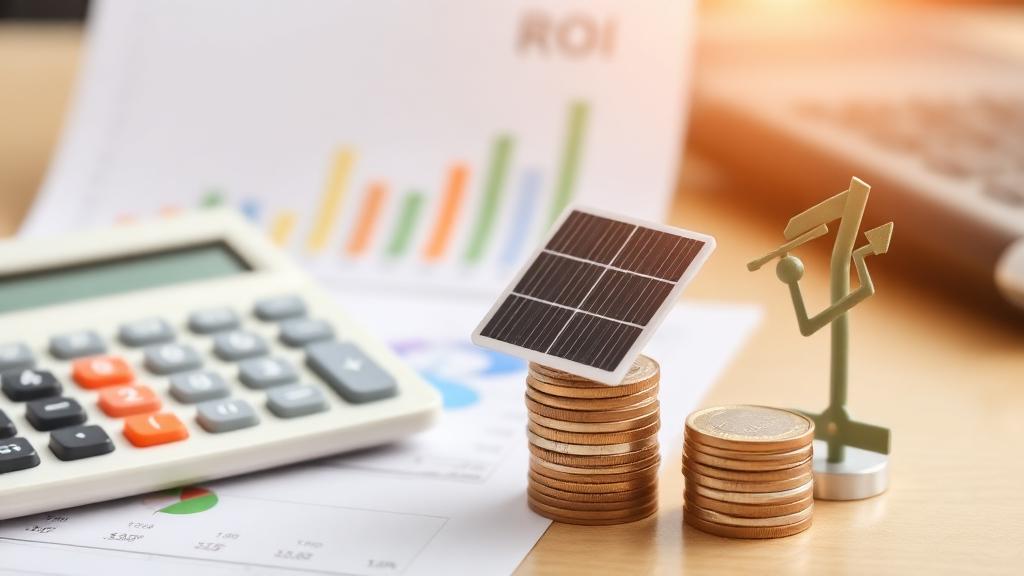
Our industrial solar team has completed 50+ factory installations across Bangladesh. We offer free energy audits and ROI analysis for manufacturing facilities. Contact us to schedule a site visit.
Get a Free Site Survey
Every roof is different. Tell us about your place and we'll send an itemized, no-obligation quotation.